










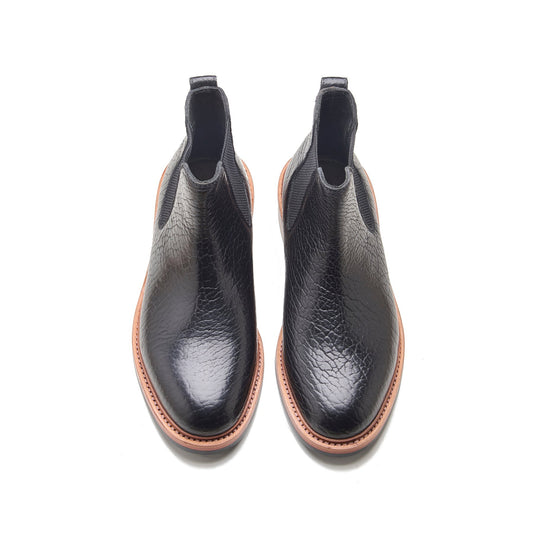


Grain and texture
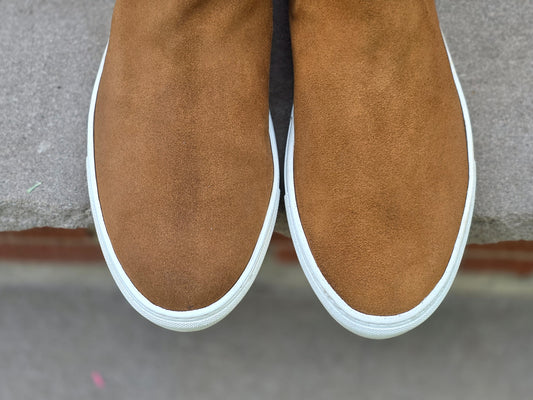
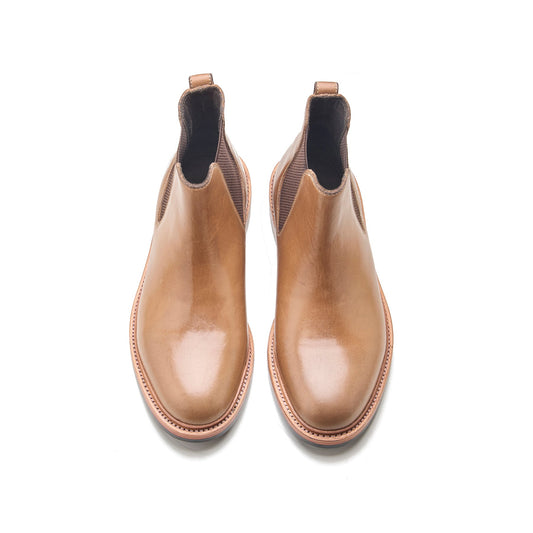
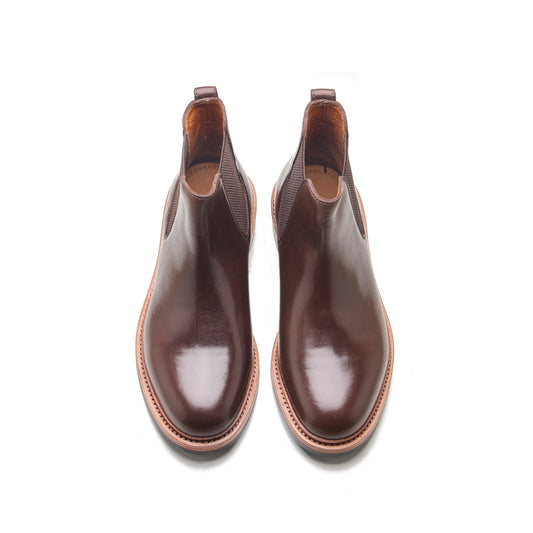
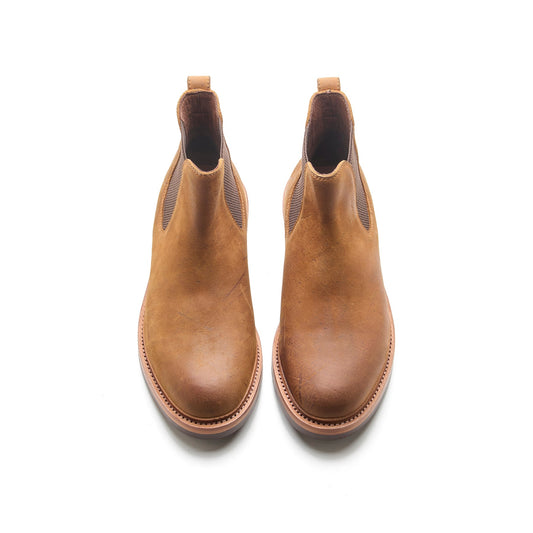
Grain leather brings more surface interest to the same simple pattern. BLKBRD’s Cognac Hatch Grain Destrier pairs a soft-chisel toe with a rubber sole, making an appealing bridge between wool trousers, cords and jeans.
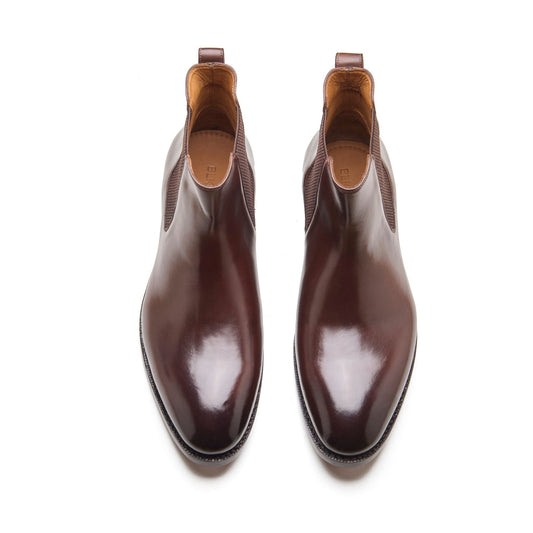
The Chelsea grew from the elastic-sided ankle boots of Victorian Britain. Its lasting appeal is simple: no laces, very little fuss and a shape that works across wardrobes. But a slim dress Chelsea and a substantial work-inspired version have quite different personalities.
Grain leather brings more surface interest to the same simple pattern. BLKBRD’s Cognac Hatch Grain Destrier pairs a soft-chisel toe with a rubber sole, making an appealing bridge between wool trousers, cords and jeans.

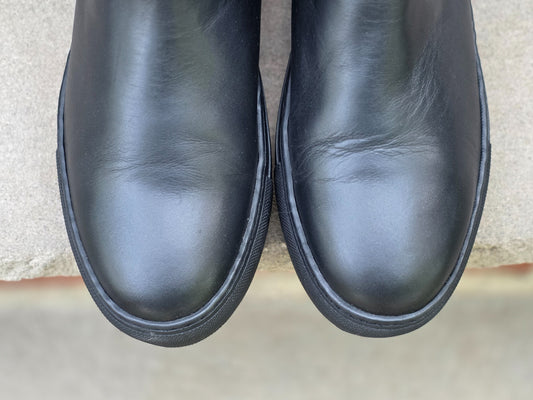
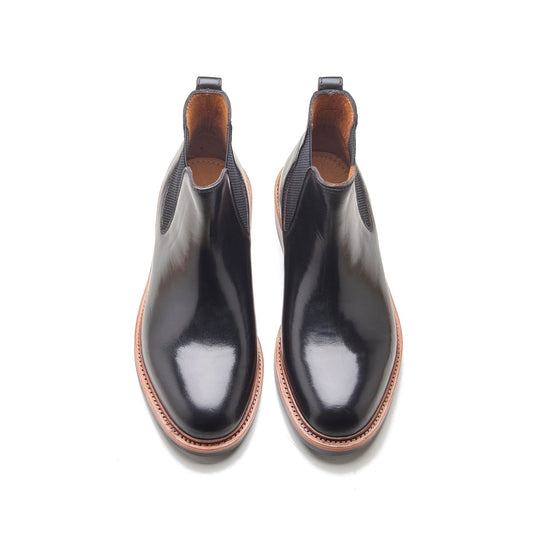
A clean black calf upper and a close, well-shaped ankle give the Chelsea a dressier character. Bridlen’s Yama version illustrates how restrained detailing lets the toe shape and proportions do the work. Wear this direction with tailored trousers or dark denim.

A fuller shape, substantial sole and characterful leather move the Chelsea toward casual wear. The Kudu Zanzibar Tomahawk takes this approach, with storm-welted construction and a Vibram 430 rubber sole. It belongs naturally beside denim and heavier fabrics.

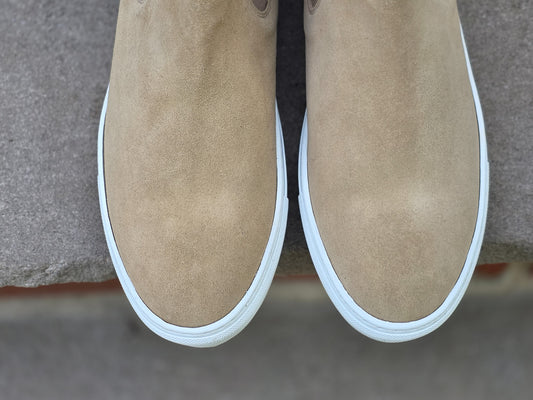
A Chelsea is not automatically formal or casual. Look at the whole boot: the toe, the height of the ankle, the leather and the thickness of the sole. Smooth calf and a restrained outline can sit well with tailoring; grain, suede and heavier soles generally feel more relaxed.
Think about the proportions of your clothes, too. A sleek boot sits naturally beneath a narrower trouser opening. A more substantial shape makes sense beside heavier denim and fuller cuts. Two well-made Chelseas can serve quite different wardrobes, so choose the character you will actually wear.

A Chelsea relies on the shape of its upper to hold the foot, so pay particular attention to the instep and heel. Aim for a snug, comfortable hold rather than room that you hope thick socks will fill. The leather will soften with wear, and a boot that already feels loose can become looser.
Do not expect the heel to feel quite as locked in as it does in a lace-up Oxford. A little movement can be normal in a pull-on boot; substantial lifting or a foot that slides forward deserves another look at the size or last. Keep enough room for the toes, too. Leather can give across the foot, but a boot that is too short will not become longer through breaking in.
